Education in Ireland fair happening in Pune on 29th September 2024 • Applications for September 2025 intake for Trinity College Dublin, Dublin CIty University and University of Galway are commencing from 1st October 2024 • University College Cork’s applications are commencing from 14th October 2024 •
Student Accommodation in Ireland: On-Campus vs Private Rentals and When to Book for September 2027
November 12, 2026
6
min read
Planning to study in Ireland in September 2027? Compare campus housing and private rentals, booking timelines, costs and rental safety advice for students.
Finding a place to live is an important part of preparing to study in Ireland. If you are planning to join a university in September 2027, it is worth understanding your accommodation options early. Starting your search in advance gives you more time to compare locations, costs and booking arrangements.
What Are Your Accommodation Options?
Students generally choose between university-managed residences, private student accommodation and private rentals.
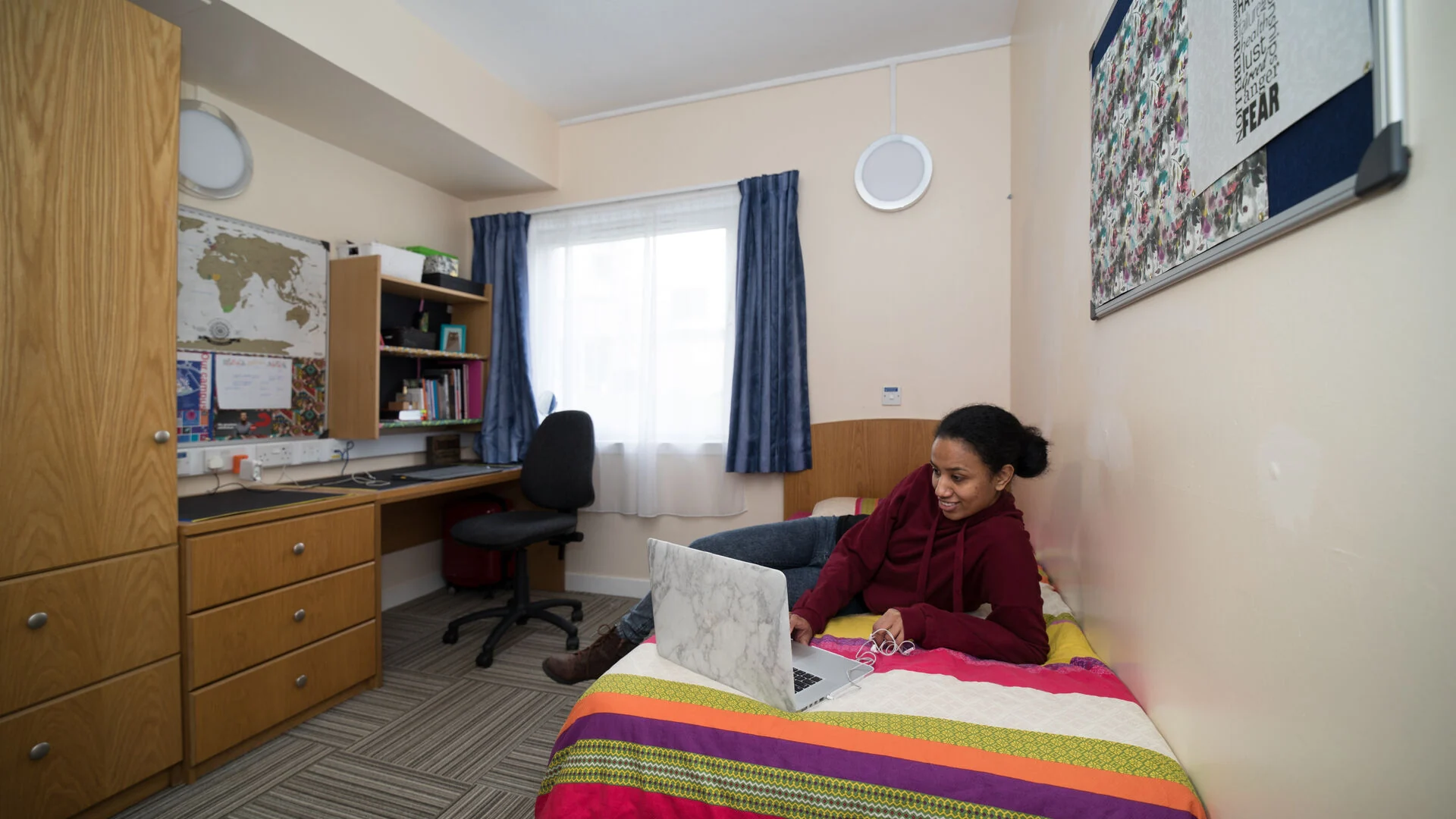
On-campus accommodation is managed by a university or its accommodation partner. Rooms are usually furnished and located close to university facilities. However, availability is limited, and some universities allocate rooms through an application or lottery process. Applying does not guarantee a place.
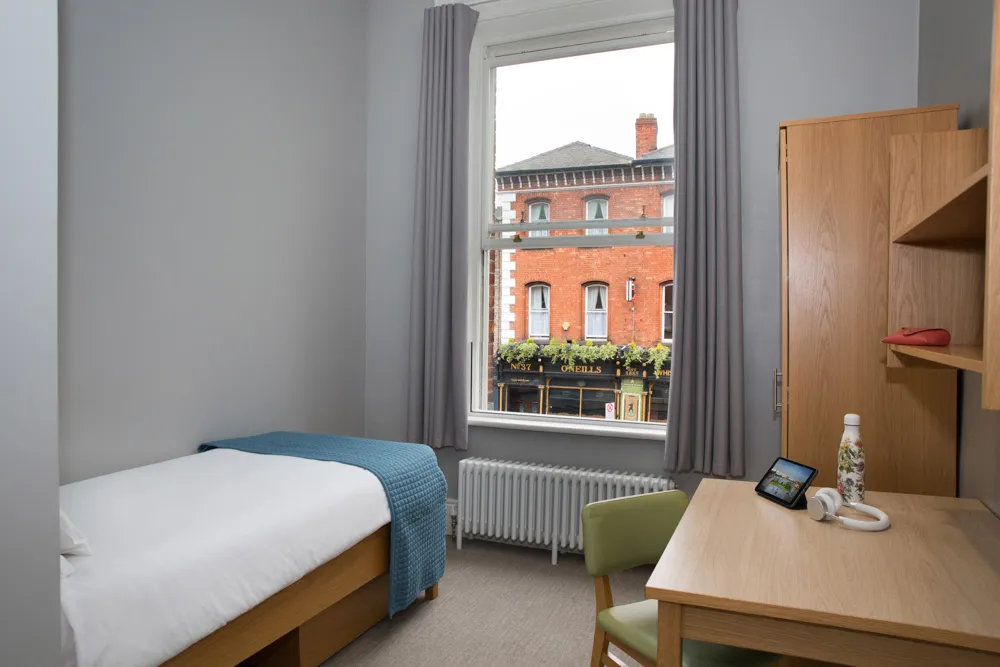
Private student accommodation refers to purpose-built residences operated by private providers. These may offer shared apartments, en-suite rooms or studios, along with facilities such as study areas, laundry rooms and common spaces. Prices, contract periods and services vary between providers.
A private rental usually involves renting a room in a shared house or taking an apartment through a landlord or letting agent. This can offer greater flexibility, but students need to check the property's condition, rental terms, included bills and transport connections. Renting a room in a homeowner's house, commonly called digs, is another option, although different rules may apply.
When Should You Start Looking for September 2027?
For September 2027, it is sensible to begin researching accommodation in late 2026 rather than waiting until you receive your final travel arrangements.
UCC recommends that incoming students begin searching in January. Its campus accommodation application window for 2027/28 is expected to open in February 2027 and close in March, with applicants entered into a room lottery. Private student residences in Cork also tend to begin accepting applications around January or February.
The University of Galway advises students to watch for private residence bookings from December and January, while university and off-campus student residences generally begin taking applications in February. These timelines show why it is useful to monitor providers before the main application period begins.
There is no single booking calendar for every Irish university. Check your university's accommodation office and individual residence providers for confirmed dates, eligibility and application procedures. Keep alternative options open in case your preferred residence is full.
On-Campus vs Private Rentals: What Should You Compare?
The most convenient option is not necessarily the most affordable. On-campus housing can make settling into university life easier because you are close to classes, facilities and other students. However, room allocation can be competitive, and contracts may cover a fixed academic period.
Private residences offer more choice in room types and facilities, while shared houses may provide a different price range. When comparing options, look beyond the advertised rent. Check whether electricity, heating, internet and other utilities are included. Also consider the distance from campus, public transport availability and the length of the rental agreement.
For Indian students, it is particularly useful to calculate the total accommodation cost for the intended stay rather than comparing monthly rent alone. Deposits, utility bills and travel to campus can affect the overall budget.
Deposits, Rental Rights and Avoiding Scams
Before making a payment, verify the property and the person offering it. Ask for a written agreement, confirm what the rent includes and request a receipt for any money paid. The Residential Tenancies Board (RTB) states that standard private tenancies and student-specific accommodation have rules limiting deposits and advance rent to one month's rent each.
A room in an owner-occupied home is generally treated differently from a standard tenancy, so students considering digs should put the agreed rent, deposit, payment dates and house rules in writing.
Be cautious of listings with unusually low rents, pressure to pay immediately or landlords who refuse to arrange a viewing. The University of Galway specifically advises international students not to send money to a landlord before seeing the property in person. If you are still in India, consider university-recommended accommodation channels or temporary accommodation while arranging an in-person viewing.
Final Thoughts
Accommodation should be part of your study-abroad planning, not something left until the final weeks. Research early, compare several options and confirm the terms before transferring money.
At Onebounce, we help students prepare for their move to Ireland, including understanding the practical steps involved before departure. With early planning and careful checks, you can make a more informed accommodation decision and focus on getting ready for university life.
Start Preparing for English Tests
Get more details about the University
Get more details about the Course
Get Job Referrals to move abroad
Clarify doubts with our expert Counsellor for Free
Check your eligibility with our finance expert
Get latest udpates about the country
Write a winning SOP/LOR for your university
Enter your mobile number and get a callback from our counsellor.
Thank you! One of our counsellor will call you soon.
Oops! Something went wrong while submitting the form.