Education in Ireland fair happening in Pune on 29th September 2024 • Applications for September 2025 intake for Trinity College Dublin, Dublin CIty University and University of Galway are commencing from 1st October 2024 • University College Cork’s applications are commencing from 14th October 2024 •
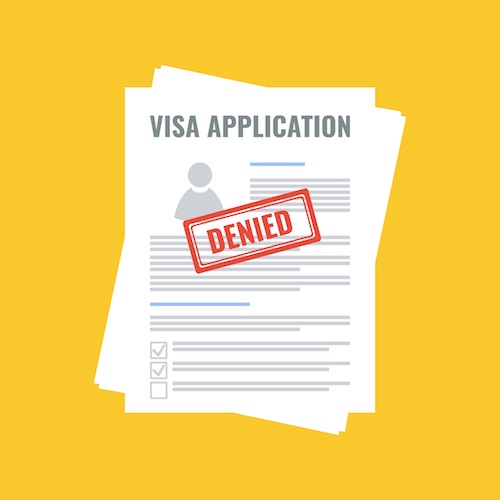
Handle a student visa rejection Learn what to do next understand common refusal reasons and reapply with stronger approval chances.
A student visa rejection can feel like a major setback. After securing an offer letter, arranging finances, and planning your future abroad, a refusal can be both confusing and disappointing. However, a visa rejection does not mean your study abroad journey is over. Many students face rejection at least once and still go on to successfully study overseas.
What matters most is how you respond after the rejection.
Understand the Reason for Rejection
The first step after a student visa rejection is to carefully read the refusal letter issued by the immigration authority. This document clearly mentions the reasons your visa was denied. These reasons are not generic and should be taken seriously.
Common reasons include insufficient financial proof, unclear study intent, weak academic progression, lack of strong home ties, incomplete documentation, or inconsistencies in your application.
Avoid guessing or assuming the reason. Focus only on what is officially stated.
Do Not Reapply Without Changes
One of the biggest mistakes students make is reapplying immediately without addressing the reasons for rejection. Submitting the same documents and information almost always leads to another refusal.
Take time to review your profile in detail. Identify weak areas and work on improving them before submitting a fresh application. A stronger reapplication requires thoughtful changes, not speed.
Patience at this stage improves your chances significantly.
Review Your Financial Documents Carefully
Financial concerns are one of the most common causes of visa rejection. Visa officers must be confident that you can afford tuition fees and living expenses without difficulty.
Recheck your bank statements, education loan approvals, sponsor letters, and income proofs. Ensure the funds meet the required amount and have been maintained for the correct duration. Sudden large deposits without explanation often raise red flags.
Clear and transparent financial records build trust.
Strengthen Your Statement of Purpose
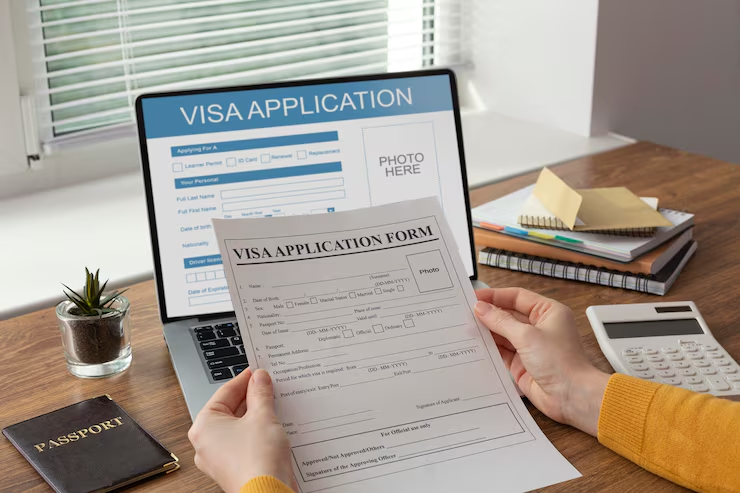
Your Statement of Purpose plays a crucial role in visa approval. If your intent to study was unclear or poorly explained, the visa officer may question whether you are a genuine student.
A strong SOP should clearly explain why you chose the course, how it aligns with your academic background, and how it supports your future career goals. It should also reflect awareness of the education system and outcomes.
Clarity, logic, and honesty are more effective than emotional language.
Address Academic Gaps or Course Changes
Academic gaps or changes in study direction can raise concerns if not properly explained. Visa officers look for consistency and purpose in your academic journey.
If you have gaps in education or work experience, explain them clearly and provide supporting documents if possible. If you are switching fields, show how the new course builds on your existing skills or experience.
Unexplained gaps create doubt. Explained gaps show planning.
Improve Language Proficiency if Needed
In some cases, visa rejection may be linked to low language test scores or doubts about your ability to cope with academic instruction.
If your scores are close to the minimum requirement, consider retaking the test and improving them. Strong language proficiency not only supports your visa application but also prepares you better for academic success.
This step shows commitment and readiness.
Seek Professional Guidance
After a visa rejection, expert guidance can make a significant difference. Many students overlook small details that can impact visa decisions.
At Onebounce, we help students understand rejection reasons, improve documentation, refine SOPs, and prepare stronger applications. Professional guidance helps you avoid repeated mistakes and approach reapplication with confidence.
Support turns confusion into clarity.
Prepare Better for Visa Interviews
If your visa process includes an interview, preparation is essential. Visa officers assess confidence, clarity, and consistency in your answers.
Practice explaining your course choice, funding plan, and future goals clearly. Avoid memorized responses and focus on honest communication. Calm and confident answers leave a positive impression.
Preparation reduces uncertainty.
Stay Positive and Focused
A visa rejection can affect confidence, but it should not define your future. Many successful international students faced rejection before approval.
Treat this experience as feedback rather than failure. Use it to strengthen your application and move forward with a better strategy.
Your journey may be delayed, but it is not over.
Final Takeaway
A student visa rejection is not the end of your study abroad dream. It is an opportunity to reassess your application, correct weaknesses, and reapply with a stronger profile. By understanding the reason for refusal, improving documentation, strengthening your Statement of Purpose, and seeking expert guidance, you can significantly increase your chances of approval.
Start Preparing for English Tests
Get more details about the University
Get more details about the Course
Get Job Referrals to move abroad
Clarify doubts with our expert Counsellor for Free
Check your eligibility with our finance expert
Get latest udpates about the country
Write a winning SOP/LOR for your university
Enter your mobile number and get a callback from our counsellor.
Thank you! One of our counsellor will call you soon.
Oops! Something went wrong while submitting the form.