Education in Ireland fair happening in Pune on 29th September 2024 • Applications for September 2025 intake for Trinity College Dublin, Dublin CIty University and University of Galway are commencing from 1st October 2024 • University College Cork’s applications are commencing from 14th October 2024 •
Backlogs or a Study Gap? How Irish Universities Assess Your Master’s Application
November 18, 2026
6
min read
Have academic backlogs or a study gap? Learn how Irish universities assess master’s applications and how to explain your academic history clearly for 2027.
A few failed papers or a break between studies does not automatically end your plans for a master’s in Ireland. What matters is how your academic record fits the course requirements and whether you can explain your journey clearly.
What Do Backlogs and Study Gaps Mean?
In India, a backlog usually refers to a subject or paper that a student did not pass on the first attempt and had to clear later. Irish universities may describe the same history through repeat attempts, resits or results shown on an academic transcript. A study gap is a period between formal education, such as the time after graduation spent working, preparing for exams, managing personal responsibilities or exploring a career direction.
These are different circumstances: a backlog concerns academic performance, while a gap concerns time away from full-time education. Neither has one rule that applies to every Irish university.
How Do Irish Universities Assess Backlogs?
Universities assess applications against the entry requirements of the specific programme. These can include your final degree classification, the relevance of your undergraduate subject, prerequisite modules and any professional experience. A backlog may be considered as part of your overall academic history, but the number of attempts alone does not tell an admissions team whether you are prepared for a particular master’s.
There is no single national backlog limit. Each university and course sets its own requirements, which may include an overall grade, subject-level performance or review of the complete transcript. Avoid relying on online claims that every Irish university accepts a fixed number.
If you have cleared your papers, make sure your final transcript and completion documents show the outcome accurately. Provide details of repeat attempts if requested. Never leave out a failed or repeated subject if it appears in your academic record or is requested in the application.
Does a Study Gap Affect Your Application?
A gap is not automatically a reason for rejection. Admissions teams consider your academic readiness, reasons for choosing the programme and whether your experience supports the application. Employment, internships, training, exam preparation or family responsibilities can all be explained honestly.
Work in operations, construction or technology may support an application to a related programme. Time spent preparing for competitive examinations can also be explained, provided the timeline is clear. Give a consistent account rather than presenting every gap as work experience.
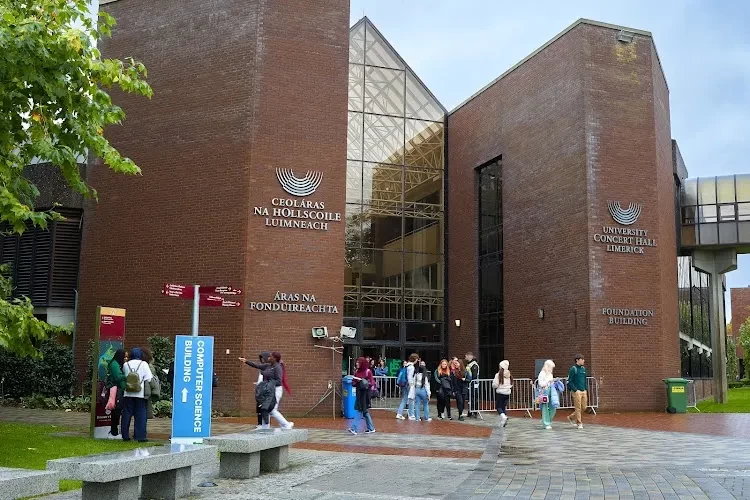
The University of Limerick, for example, states that mature applicants are welcome at different stages of life and recognises prior learning in relevant circumstances. However, this does not mean every programme waives its academic requirements. Course-specific entry criteria still apply.
What Should You Include in Your Application?
Provide complete academic transcripts and degree certificates, including records of repeat attempts where applicable. If your university issues a consolidated marksheet, check whether separate semester-wise transcripts are also required.
For a study gap, prepare a timeline from your last period of full-time education. Where available, support it with employment letters, experience certificates, internship records or training certificates. Explain personal or family circumstances truthfully, providing supporting information where appropriate.
Your statement of purpose should connect your past studies or experience with the course you now want to pursue. Explain why you are applying at this stage and how the programme fits your academic or career plans. Avoid generic explanations or claims that cannot be supported.
Remember the Student Visa Requirements
University admission and visa assessment are separate processes. For an Irish long-stay study visa, Immigration Service Delivery specifically asks applicants to account for gaps in their educational history since their last period of full-time education, including up to the date of application. It also asks for full details of employment history where work has filled a gap.
This means your explanation should be consistent across your university application and visa documents. Do not conceal gaps or submit misleading information. The visa officer assesses each application on its merits and may request further documents.
Final Thoughts
If you have backlogs or a study gap, do not rule yourself out before checking the requirements. Review each course carefully, understand how your transcript will be read and prepare a clear explanation of your timeline. An honest, well-documented application gives the university the information it needs to assess your suitability.
At Onebounce, we help students review their academic profiles, shortlist courses that match their qualifications and prepare applications. If you are unsure how your backlogs or study gap may affect your plans, a course-by-course assessment is a sensible place to begin.
Start Preparing for English Tests
Get more details about the University
Get more details about the Course
Get Job Referrals to move abroad
Clarify doubts with our expert Counsellor for Free
Check your eligibility with our finance expert
Get latest udpates about the country
Write a winning SOP/LOR for your university
Enter your mobile number and get a callback from our counsellor.
Thank you! One of our counsellor will call you soon.
Oops! Something went wrong while submitting the form.